If you’re not sure what electricity tariff you’re on, you’re far from alone — most people couldn’t name their tariff, let alone say whether it’s a good one. The good news is that it takes about two minutes to find out, and another few to check whether you could be paying less. Here’s how.
How to find out what electricity tariff you’re on
There are three quick ways to check, in order of how fast they are:
1. Your online account or app. The fastest method. Log in to your supplier’s website or app and look for “My tariff”, “Your plan” or “Tariff details”. It will show your tariff name (for example “Flexible Octopus”, “Next Flex” or “Standard Variable”), your unit rate in pence per kWh, and your daily standing charge.
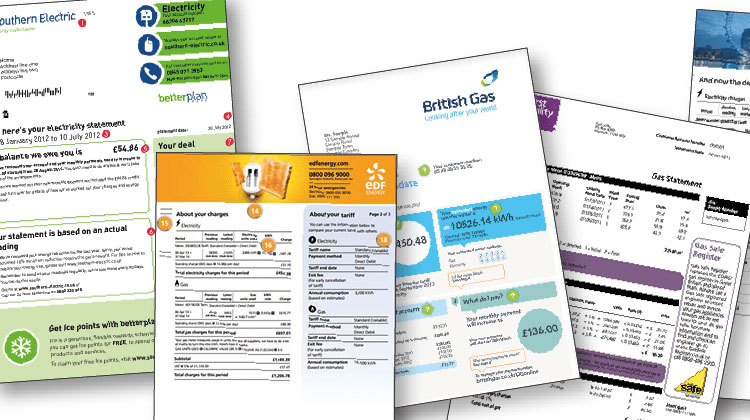
2. Your latest bill or annual statement. Your tariff name is usually printed near the top of your bill or on the “tariff information” section. Suppliers are required to show your tariff name, unit rate and standing charge clearly, so it’s there even if it’s not on the front page.
3. Ask your supplier. If you can’t find it, your supplier’s customer service or live chat can tell you in minutes. You’ll need your account number, which is on any bill.
If you’ve never actively chosen or switched your tariff, there’s a very good chance you’re on a standard variable rate (SVR) — the default rate your supplier puts you on when a fixed deal ends or when you move in somewhere new. That matters, because the standard variable rate is rarely ever the cheapest option available.
What the different electricity tariff types mean
Knowing the name is only half the picture — what matters is the type, because that determines how you’re charged:
- Standard variable rate (SVR): This is sometimes also referred to as the Standard variable tariff (SVT) and is the default. One unit rate all day, which can change when the price cap changes. Most UK households are on one of these.
- Fixed tariff: your unit rate and standing charge are locked for a set term (usually 12 months). Offers price certainty, but isn’t automatically cheaper.
- Economy 7 / Economy 10: an older two-rate setup with a cheaper overnight rate, designed for storage heaters. Still common in electrically-heated homes.
- Time-of-use (smart) tariffs: newer tariffs with cheaper rates during specific windows — overnight for EV charging, or off-peak windows for heat pumps and electric heating. These can save a lot if you can shift usage into the cheap periods.
The more important question: are you on the right electricity tariff?
Finding out what you’re on is easy. The question that actually saves you money is whether it suits how your home uses electricity — and this is where most people lose out without realising.
A standard variable tariff treats every unit the same, whatever time you use it. But if your home has an EV, a heat pump, electric heating or a home battery, you use electricity in a very different pattern from a gas-heated home — and a tariff built around that pattern can cut your bill substantially. An EV charging overnight, for example, can run on a rate a third or less of the standard daytime price. A heat pump can shift much of its work into cheaper windows.
The catch is that working out which tariff is actually cheapest for you isn’t simple. It depends on how much electricity you use, when you use it, what equipment you have, and which region you’re in. Headline rates don’t tell you — a tariff with a low advertised rate can work out more expensive once your real usage pattern is taken into account.
Check if you’re on the right tariff
Rather than guess, you can model it. Our free Smart Tariff Calculator compares over 50 UK tariffs — including 38 time-of-use options — against your actual electricity usage, equipment and habits, and shows you what you could save by switching, with the assumptions behind every figure. There’s no sign-up needed to see your results.
It’s particularly useful if you have an EV, a heat pump, or electric heating, where the right time-of-use tariff makes the biggest difference — but it works for any home.
Frequently asked questions
Where do I find my tariff name? On your latest bill (usually near the top or in the tariff information section) or by logging into your supplier’s online account or app. If you can’t find it, your supplier’s customer service can tell you with your account number to hand.
What tariff am I on if I’ve never switched? You’re most likely on a standard variable tariff — the default rate your supplier applies when a fixed deal ends or when you move into a property. It’s rarely the cheapest option, especially if you have an EV, heat pump or electric heating.
How do I know if my tariff is a good deal? Compare it against tariffs suited to how your home uses electricity, not just on headline rates. A calculator that models your actual usage, equipment and region will show whether a different tariff — particularly a time-of-use one — would cost you less.
Is a standard variable tariff bad? Not necessarily, but it charges the same rate whatever time you use electricity, so it doesn’t reward shifting usage into cheaper periods. Homes with EVs, heat pumps or electric heating usually do better on a time-of-use tariff.
Can I change my tariff whenever I want? Generally yes. If you’re on a standard variable tariff there’s usually no exit fee, so you can switch at any time. Fixed tariffs may have an exit fee if you leave before the term ends — check before switching.